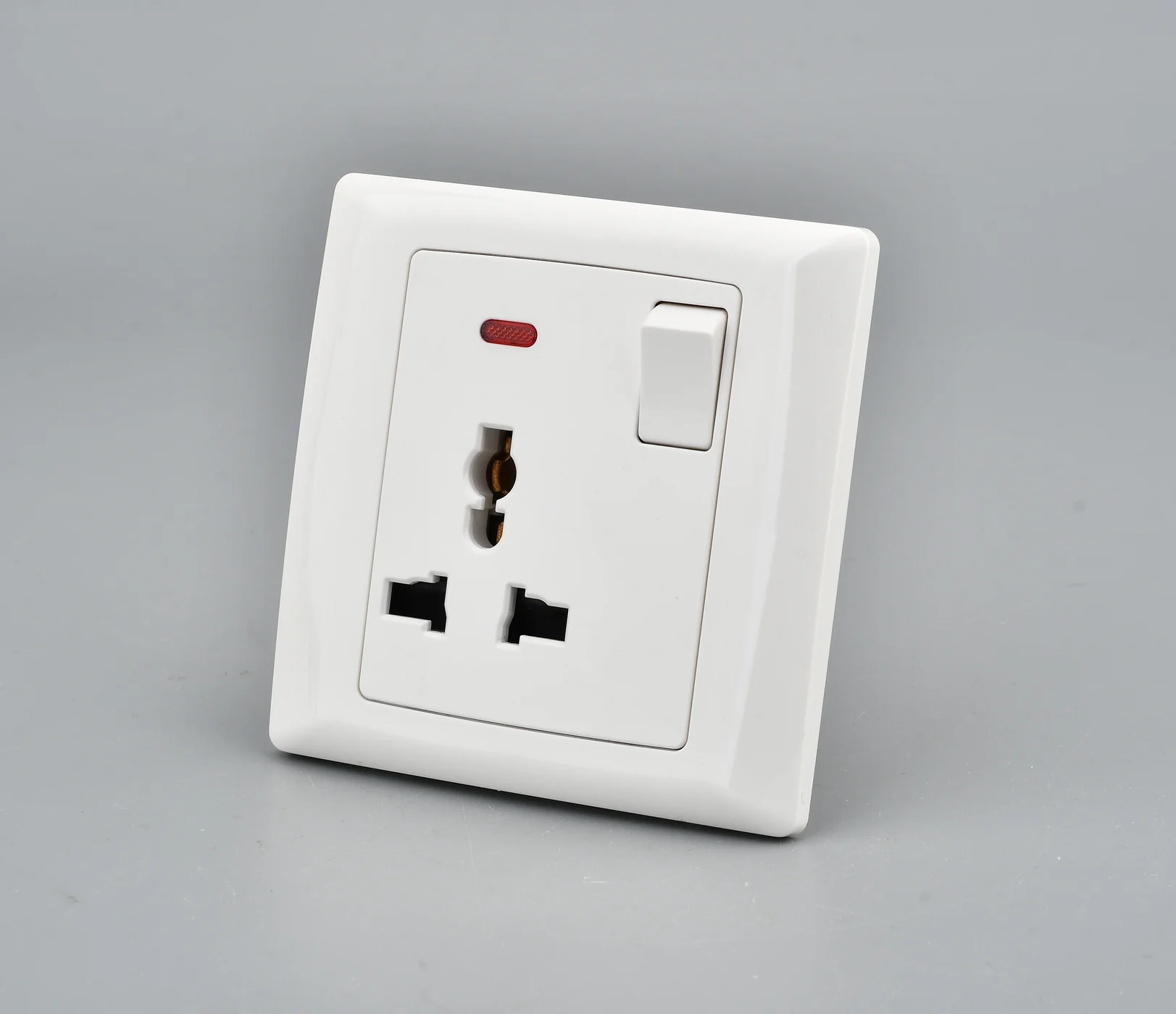
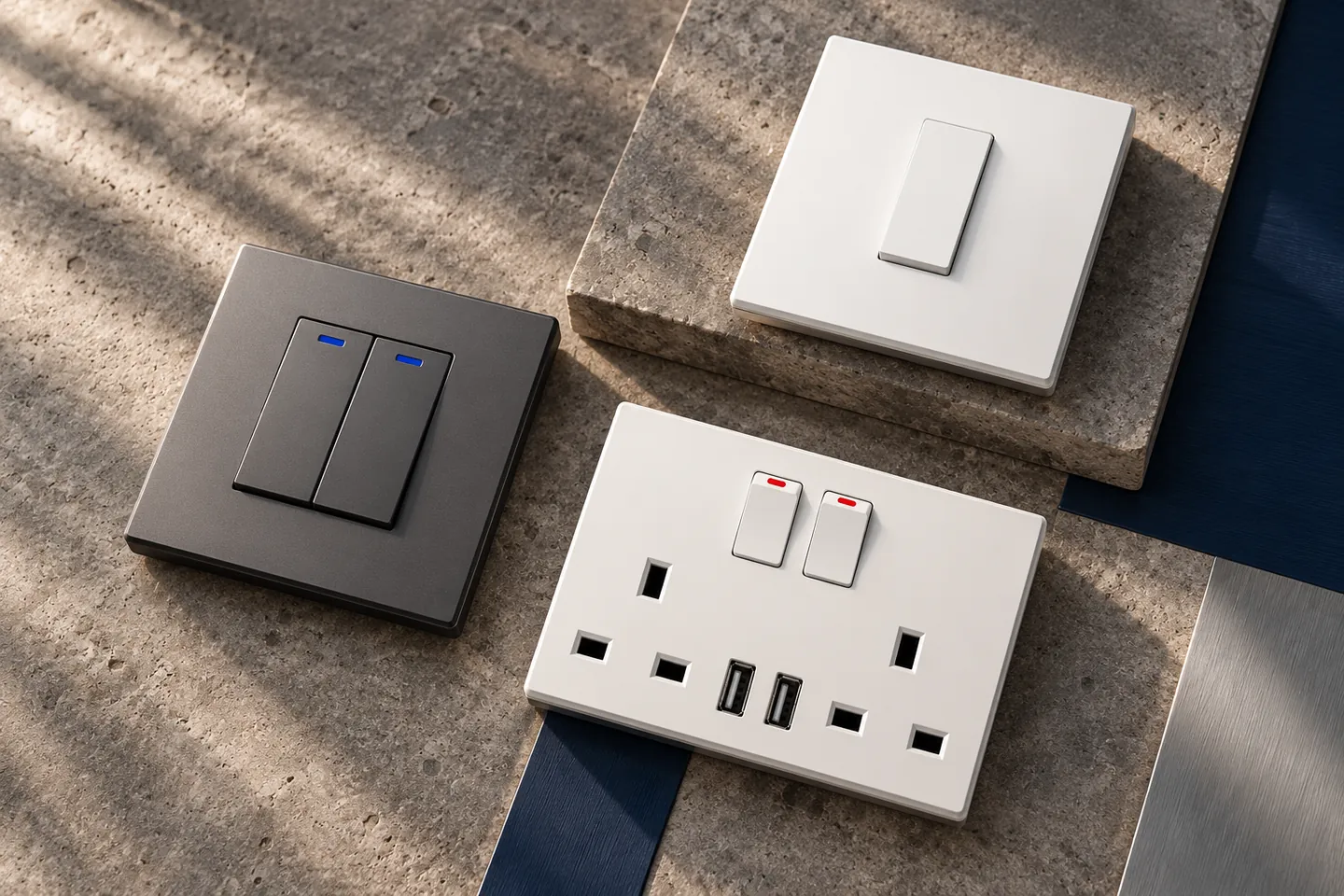
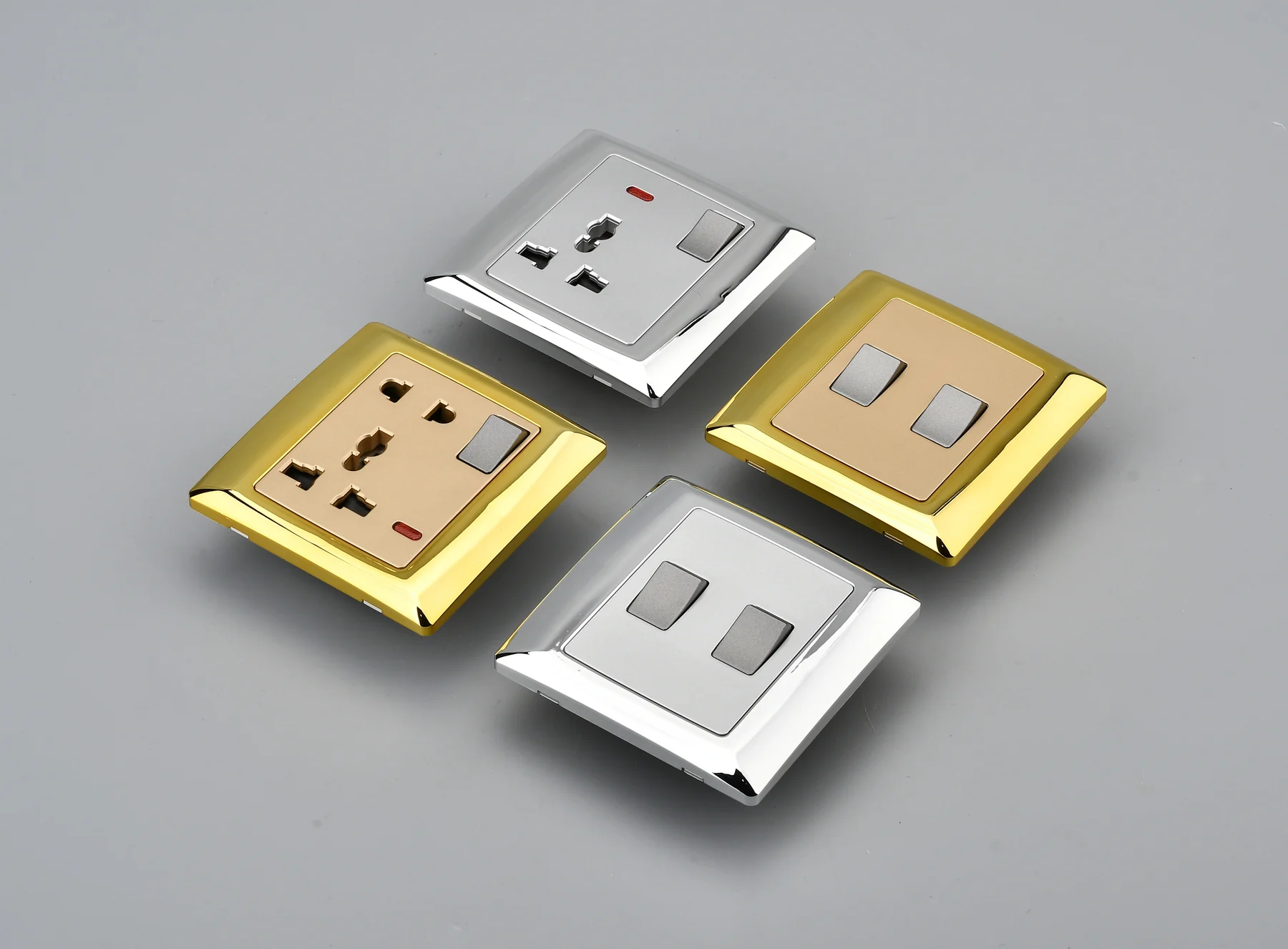
Main Article
What a Wall Switch Is and What It Does
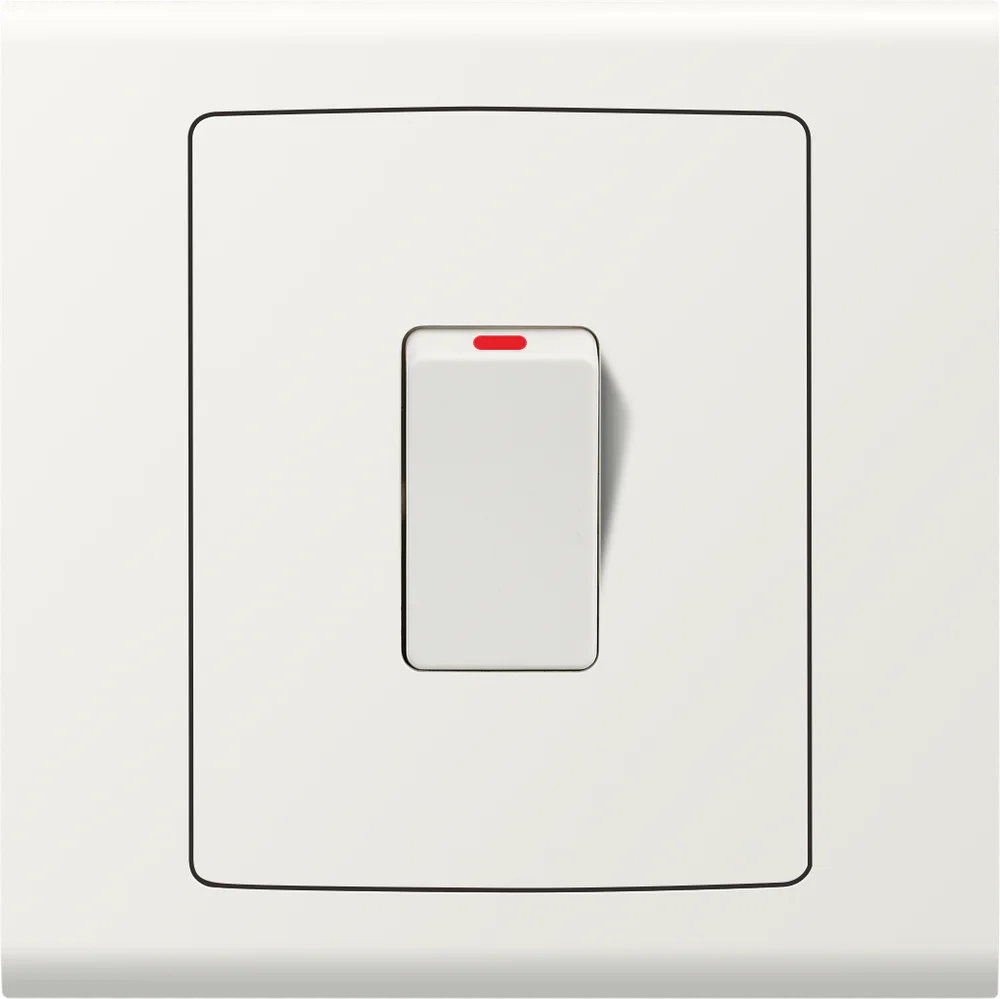
A wall switch is a manually operated device installed at a fixed position in a building. Its purpose is to control current flow in a connected circuit. Most people associate it with lighting, but suitable switches may also control fans, fixed appliances, signalling circuits or other loads defined by the installation design.
The word “switch” describes a function, not a single universal product. A one-way switch, for example, makes or breaks one circuit from one control point. A two-way arrangement lets the same circuit be controlled from two locations. A double-pole switch isolates two conductors together. Momentary and dimmer products behave differently again.
Market terminology can be confusing. “Single pole,” “one-way,” “two-way,” “three-way” and “intermediate” do not always map neatly across countries. Buyers should use a wiring function description and a terminal diagram, not only a familiar marketing name. This is especially important when the buyer and supplier use different regional conventions.
| Term | Practical meaning |
|---|---|
| Gang | Number of controls grouped on one plate. |
| Way | Circuit path or switching arrangement; interpretation must follow the market diagram. |
| Pole | Number of conductors switched together by the mechanism. |
| Momentary | Contact returns to its normal state after the user releases it. |
| Module | Replaceable functional unit used within a compatible plate or frame system. |
Buyer takeaway: Define the required circuit behaviour in plain language and attach a diagram. Do not select a wall switch by its product name alone.
How a Mechanical Wall Switch Works
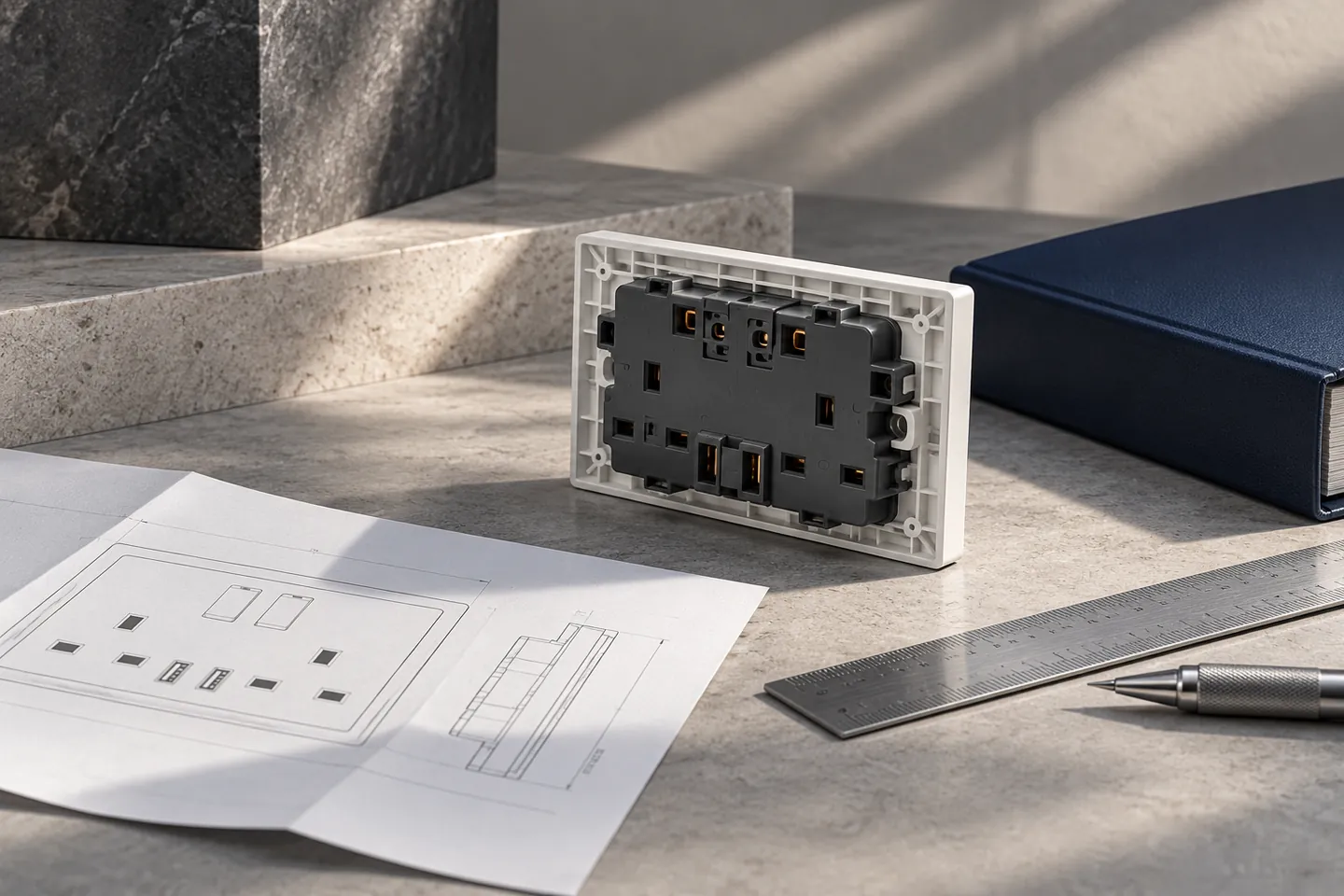
Inside a mechanical wall switch, the user’s movement is transferred from the rocker or button to a contact mechanism. The mechanism changes the connection between terminals. When the required contacts meet, the conductive path is completed. When they separate, the path is interrupted.
The visible travel can be small, but the internal action must be repeatable. Springs or related mechanical elements help produce a defined switching action rather than allowing the contacts to move slowly with the user’s finger. Contact geometry, conductive materials, pressure and separation all influence performance over repeated operations.
Terminals connect the fixed building conductors to the switch. Depending on the design, conductors may be retained by screws, clamps or another approved mechanism. Terminal capacity, stripping length, access and tightening instructions should be documented for the exact model. Installers also need adequate space in the wall box for conductors and the rear body.
The insulating structure keeps live conductive parts separated from the user and from parts that should not carry current. It also supports the mechanism during installation and operation. The front plate provides the user interface and helps create a consistent appearance, but it should not be treated as the primary evidence of electrical quality.
Typical operating sequence
- The user presses one side of the rocker or operates a button.
- The actuator transfers movement to the internal mechanism.
- The mechanism moves the contact set to a defined position.
- The circuit path opens, closes or changes between terminals.
- The mechanism holds or returns according to the switch type.
- The connected load responds if the installation and supply are correct.
Electronic and smart switches add control electronics, sensors, communication modules or semiconductor switching. Their wiring needs, standby power, neutral requirements and compatible load types can differ from those of a conventional mechanical switch. These products should be evaluated as separate technical families.
Buyer takeaway: Ask for a terminal diagram, installation information and cross-section or component description when available. A front photograph does not explain the switching mechanism.
Main Wall Switch Types

Wall switches are best grouped by electrical function first and appearance second. One design series may contain several mechanisms behind matching face plates. This allows a project to keep a coordinated look while using different control functions in different rooms.
One-way switches
A one-way switch controls one circuit from one position. It is a straightforward choice for a room with a single entrance or a load that does not need another control point. Confirm how the market labels the terminals and whether the quoted model is intended for the required load.
Two-way and intermediate switches
Two-way switching is used when one circuit must be controlled from two positions, such as opposite ends of a corridor or the top and bottom of a staircase. An intermediate switch is introduced when control is required from three or more positions. A buyer should confirm the complete circuit arrangement rather than ordering each mechanism independently.
Double-pole switches
A double-pole switch operates two poles together. It may be specified where the circuit design calls for simultaneous isolation of two conductors. The use case, rating and local requirements must be confirmed by the project’s competent electrical professional.
Momentary and bell-push switches
A momentary switch changes state only while it is being pressed and returns when released. Common uses include doorbells, relays, control systems and signalling functions. Buyers should specify normally open or normally closed behaviour where relevant.
Dimmer switches
A dimmer adjusts the output to a compatible lighting load. Compatibility depends on lamp type, driver, dimming method, minimum and maximum load, wiring arrangement and market requirements. A dimmer should not be substituted for an ordinary switch without a compatibility review.
Smart, touch and sensor switches
These products may add capacitive touch controls, occupancy sensing, timers, remote control or network connectivity. The sourcing brief should cover supply method, protocol, app dependency, privacy expectations, load compatibility and the consequences of a network or cloud-service failure.
| Type | Control pattern | Typical planning question |
|---|---|---|
| One-way | One circuit, one location | Is a second control point needed? |
| Two-way | One circuit, two locations | Are both switches and the wiring plan compatible? |
| Intermediate | One circuit, three or more locations | How many control points are required? |
| Double-pole | Two poles switched together | What isolation function and rating does the project specify? |
| Momentary | Temporary contact | Should the contact be normally open or normally closed? |
| Dimmer | Variable output | Which lamp and driver combinations are compatible? |
Buyer takeaway: Build the range around installation scenarios. Matching colours are useful, but function and compatibility decide whether the range works.
Specifications Buyers Should Compare
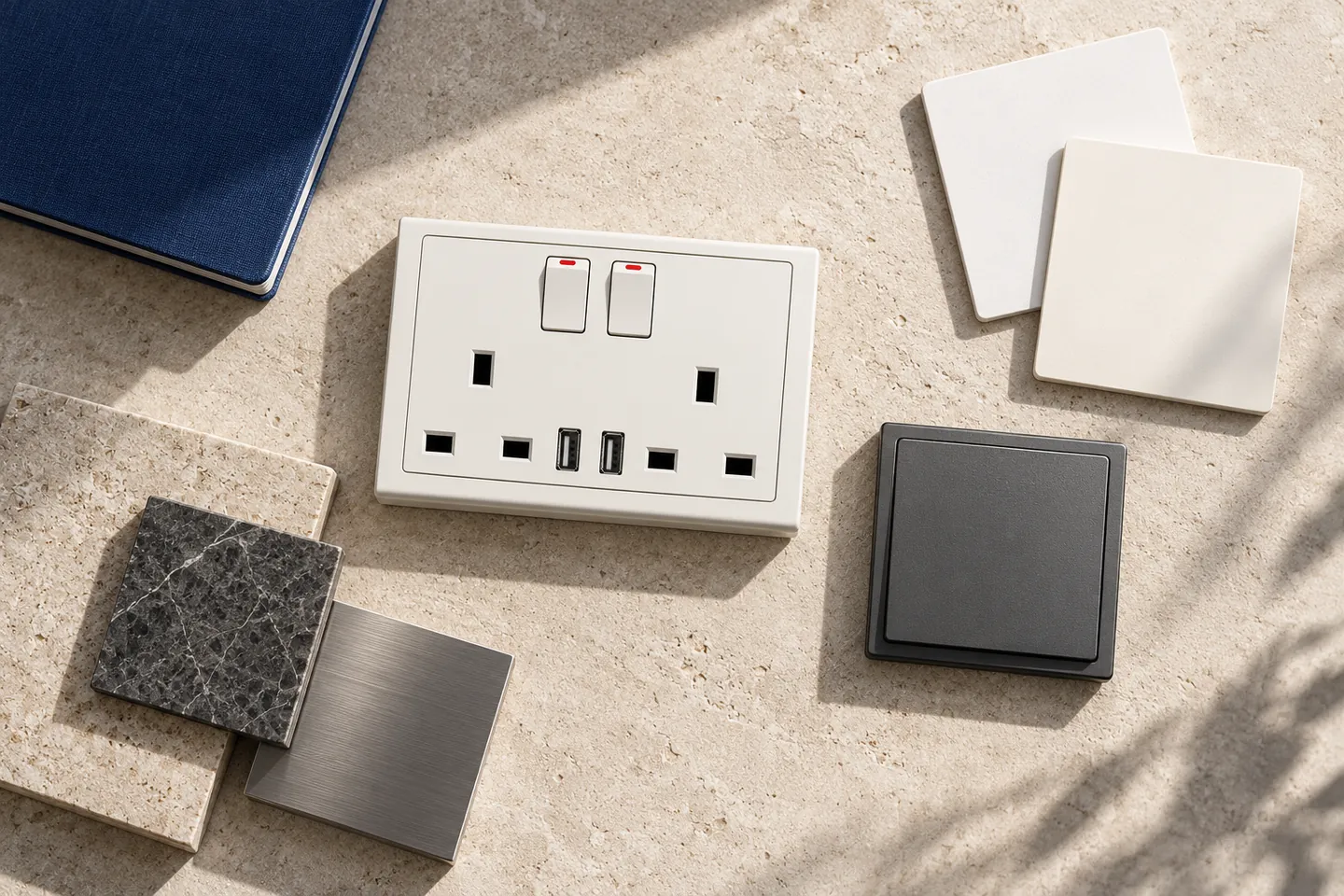
A useful wall switch specification gives enough information to identify, install and review the product. It should not rely on a generic family name. The model code, function, rating, dimensions and market format should remain consistent across the quotation, sample label, test evidence, packaging and purchase order.
Electrical ratings require context. Voltage, current and load type should be read together. Some standards or product categories distinguish resistive, inductive, motor or lamp loads. If a catalogue shows only a headline current value, ask what test classification and application support that value.
Dimensions include more than face-plate width and height. The buyer may need rear-body depth, terminal projection, mounting-hole positions, frame thickness and compatible wall-box dimensions. For renovation projects, available box depth and existing conductor space can be decisive.
Gang count and mechanism function should be recorded separately. A two-gang plate may contain two one-way mechanisms, two two-way mechanisms or another combination. Modular products require an additional compatibility check between mechanisms, frames, plates and accessories.
| Specification | What to confirm | Evidence |
|---|---|---|
| Model identity | Exact code, revision and included components | Specification and sample label |
| Function | One-way, two-way, intermediate, pole count or momentary action | Wiring diagram and terminal marking |
| Electrical rating | Voltage, current, frequency and applicable load class | Marking, specification and relevant report |
| Dimensions | Plate, body, mounting and box requirements | Controlled drawing |
| Terminals | Type, conductor range, preparation and tightening guidance | Installation sheet |
| Materials | Declared front, base, frame and conductive components | Model or material specification |
| Finish | Colour reference, texture, gloss and acceptance tolerance | Approved physical sample |
| Documents | What is available for the exact model and market | Traceable document list |
HaiPai’s published document centre includes model-specific conformity verification records for selected fixed wall switches. Those records must not be treated as coverage for every switch. Buyers should match the product description and reference in each document to the model under review.
Buyer takeaway: Make “same model, same specification, same evidence” a purchase-order rule. It prevents a visually similar substitute from entering the order unnoticed.
Applications and Selection by Space
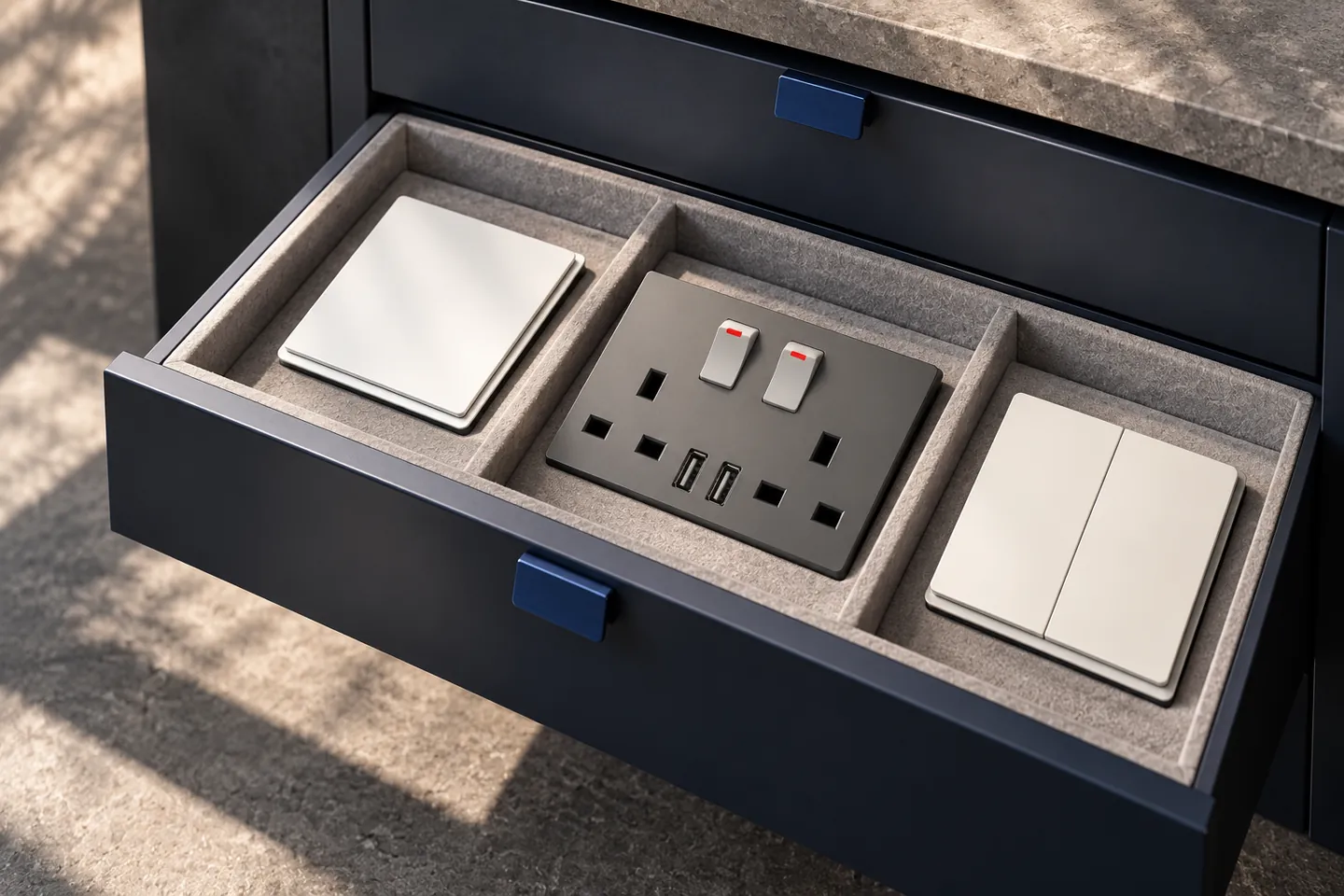
Application planning is not about assigning a fashionable switch to a room. It is about matching control points, load behaviour, user needs, environment and installation constraints. The same building may require several switch functions within one coordinated design family.
Bedrooms and small rooms often use straightforward one-way control, while corridors and stairs may need two-way or intermediate arrangements. Meeting rooms, hospitality spaces and open-plan areas may require scene control, dimming or centralised systems. Service rooms may prioritise clear markings and robust operation over decorative finishes.
Kitchens and utility areas may combine lighting control with appliance isolation, but these are separate functions with different selection requirements. Wet or exposed locations can demand protection measures beyond an ordinary indoor wall switch. The project designer should define the environmental classification and installation zone.
Application questions
- How many positions must control the circuit?
- What load will be connected, and how does it behave?
- Is the installation new construction or a retrofit?
- Which wall box, frame and wiring convention are used?
- Will the public, trained staff or a small household use the control?
- Are marking, accessibility or contrast requirements specified?
- Does the environment introduce moisture, dust, impact or cleaning exposure?
- How will replacement parts be identified later?
Buyer takeaway: Create a room-by-room schedule before choosing models. A schedule reveals missing functions and prevents one generic switch from being specified everywhere.
Quality Control and Supporting Documents

Quality control should translate the approved specification into repeatable checks. Appearance matters, but a complete inspection plan also reviews assembly, operation, dimensions, marking, packaging and model traceability. Electrical or compliance testing should be defined separately according to risk and destination-market requirements.
A golden sample can establish visual and tactile expectations. Buyers should record colour, texture, alignment, rocker gap and operating feel in measurable or clearly photographed terms where possible. “Good quality” is not an acceptance criterion because two inspectors may interpret it differently.
Documents must be treated as controlled records. A test report, certificate, declaration or verification document is useful only when its applicant, product description, model references, standard, dates and scope can be connected to the order. Buyers should not accept an unrelated family document because the pictured face plate looks similar.
| Stage | Examples of checks | Output |
|---|---|---|
| Pre-production | Approved model list, drawing, colour, markings, packaging | Signed specification and sample |
| Incoming | Declared components, colour lots, mechanical parts | Inspection record |
| In-process | Assembly fit, terminal installation, operation, alignment | Process check record |
| Final | Appearance, dimensions, operation, labels, carton mix | Final inspection result |
| Document review | Model scope, standard, issue date, holder and validity | Order document index |
For selected switch models, HaiPai publishes conformity verification information in its verification document centre. Availability and relevance must still be confirmed against the exact product requested.
Buyer takeaway: Separate product inspection from compliance review. Both are necessary, but one does not replace the other.
How to Evaluate a Wall Switch Supplier

A capable supplier should make the buying decision clearer. Responses should distinguish confirmed model data from options that require engineering, sample or document review. Vague promises may feel convenient during quotation but create risk when samples, packaging and paperwork must match.
Begin with range structure. Ask whether the supplier can map each function to an exact model, compatible plate, available finish and destination-market format. If one photograph is being used to represent many variants, request individual model confirmation before comparing prices.
Next, review technical communication. A professional manufacturer should be able to explain terminal layout, dimensions, included components and the basis of stated ratings. Where information is not yet confirmed, an honest pending status is more useful than an unsupported answer.
Supplier review questions
- Can you provide a model-by-model specification rather than a family summary?
- Which parts are included in the quoted set?
- Which mounting boxes, frames or accessories are compatible?
- Which ratings and standards apply to the exact model?
- What verification or test documents are currently available?
- How are colour and finish approved and controlled?
- How are mixed models identified on product and carton labels?
- What sample stages are recommended before mass production?
- How are engineering changes communicated?
- Which items remain pending confirmation?
Buyer takeaway: Score suppliers on clarity, traceability and response quality as well as price. These factors affect the real cost of managing an international order.
OEM, ODM and Wholesale Wall Switch Projects

OEM and ODM projects add brand, finish, packaging and development decisions to the basic product selection. The safest starting point is a written brief that separates required features from optional preferences. This lets the supplier identify existing solutions before discussing new tooling or structural changes.
Branding may involve product marking, plate printing, carton artwork, labels and instructions. Each location has different durability, space and regulatory implications. Final artwork should follow an approval process with controlled versions. The buyer should also decide whether model and electrical markings remain visible after branding.
Colour and finish need physical approval. Screen colours and photographs are unreliable for final acceptance. A sample should be reviewed under agreed lighting, and the acceptable range should be documented if colour variation is commercially important.
For a wholesale programme, range discipline is essential. Too many similar SKUs can increase inventory and picking errors. Start with the functions required by the target channel, then add colours or specialised mechanisms only when demand and documentation justify them.
| Stage | Buyer input | Confirmation needed |
|---|---|---|
| Brief | Market, functions, volumes, target positioning | Feasible base models |
| Specification | Ratings, dimensions, finishes, included parts | Controlled model sheet |
| Branding | Logos, markings, packaging artwork | Approved artwork files |
| Sample | Review criteria and feedback | Signed reference sample |
| Production | Purchase order and inspection plan | Approved production basis |
| Shipment | Label, carton and document requirements | Final release record |
HaiPai reviews OEM and ODM cooperation against the selected wall switch family. Minimum quantity, tooling, lead time, packaging and documentation are project variables and should be confirmed in the quotation rather than assumed from a general article.
Buyer takeaway: Freeze the functional model before customising appearance. A beautiful sample cannot rescue a wrong circuit function.
Wall Switch Procurement Checklist

A concise checklist keeps commercial, technical and documentation decisions connected. It should be completed before requesting the final quotation and reviewed again before purchase-order release.
Product definition
- Destination country or market
- Project type and installation environment
- Required switch function and gang count
- Electrical rating and load description
- Plate, frame, box and accessory compatibility
- Dimensions and available wall-box depth
- Colour, finish and marking requirements
Commercial definition
- Estimated quantity by model and colour
- Sample quantity and approval timing
- Individual, inner and master packaging
- Branding and artwork responsibilities
- Requested delivery term and destination
- Spare or replacement-unit policy
Evidence and control
- Model specification and controlled drawing
- Installation or terminal information
- Applicable declarations, verifications or reports
- Golden sample and finish reference
- Inspection criteria and sampling plan
- Product and carton traceability
- List of open items with owners and dates
Send the checklist as one enquiry rather than distributing requirements across unrelated messages. A single controlled brief helps the sales, engineering, quality and packaging teams review the same project.
Buyer takeaway: If a requirement matters to approval, cost or compliance, record it in the specification or purchase order. Do not leave it only in a chat history.